St. Louis visitor guide
A Stroll Through the Delmar Loop: Music Venues, Shopping, and Late-Night Eats
The Delmar Loop combines concert rooms, record shops, books and restaurants along a corridor shared by St. Louis and University City. Choose a show as your anchor, then leave time to explore the neighborhood before heading through the venue doors.
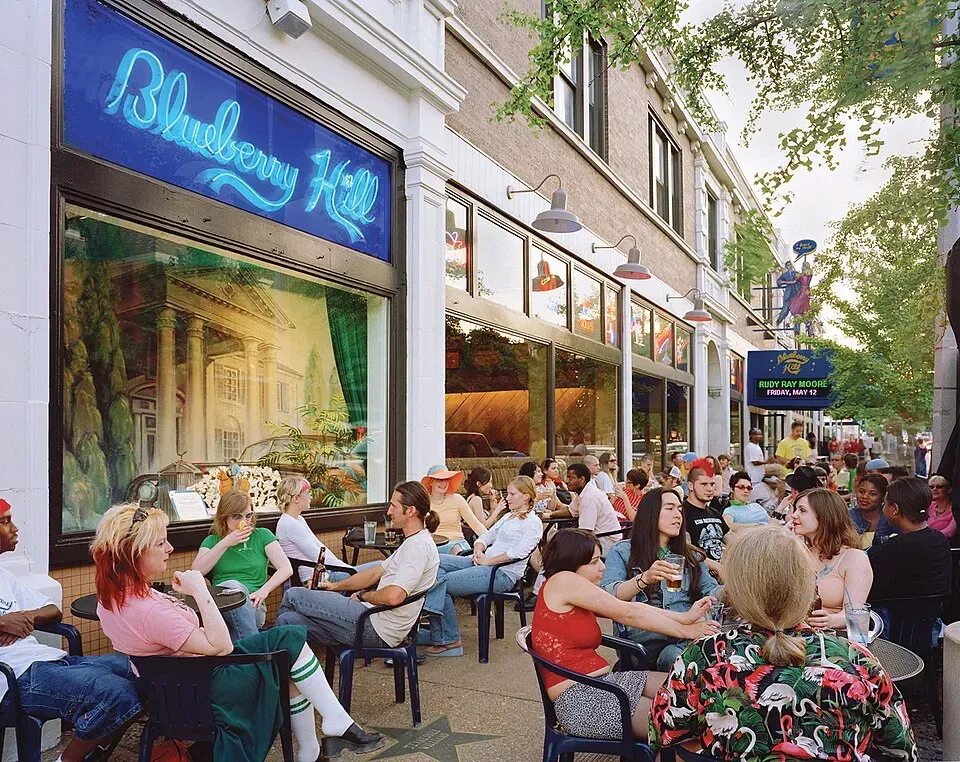
For a Delmar Loop visit, start with transit planning at the Red Line station, then choose between The Pageant, Delmar Hall, or the Duck Room for live music. Add a walk past the St. Louis Walk of Fame, browse a few local shops, and choose a meal stop before the night gets busy.
Explore St. Louis venue guides →Find the Loop and plan how to get there
The Delmar Loop runs along Delmar Boulevard across St. Louis and University City, so it works best as a walkable district rather than a single attraction. If you are arriving by rail, the Delmar Loop MetroLink station on the Red Line is the main transit reference point. Check your route and current times before you go, since you should not assume a fixed service pattern for every trip.
If you are driving, plan for metered street parking or lots that can vary by location and time. The district also notes the Loop Trolley as a seasonal service, so it should not be treated as a dependable option in November or any other specific month without checking first. Access arrangements vary among older buildings, so it is better to confirm the exact venue or shop you want to visit instead of assuming the whole sidewalk route works for everyone. For a broader city day, you could pair the Loop with a visit to another neighborhood such as Forest Park if that fits your plans.
Choose the right music room for your night out
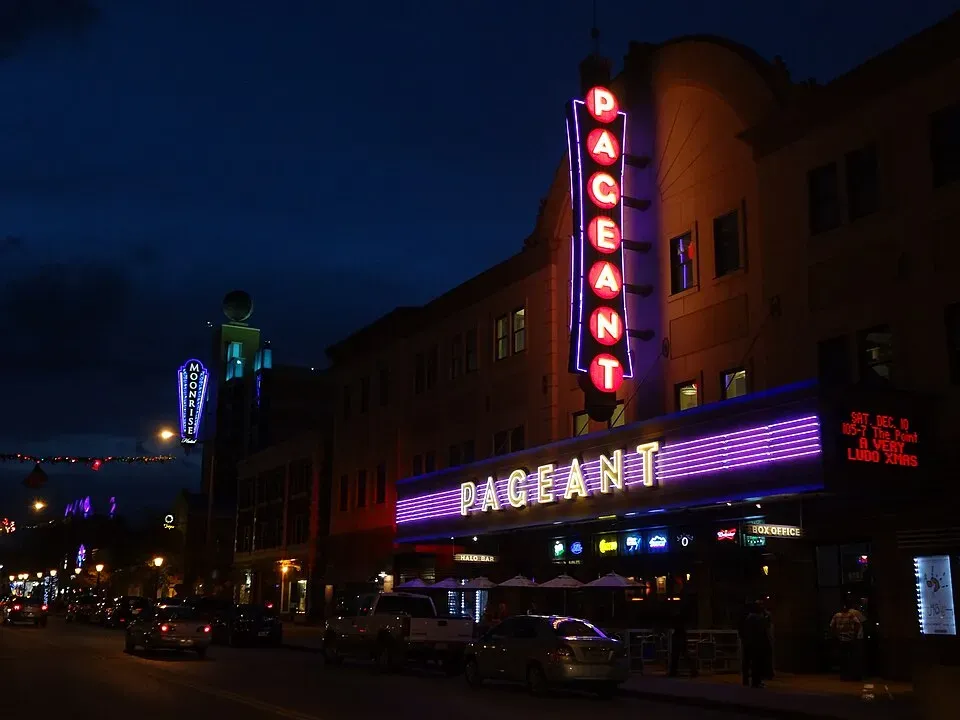
The Loop’s live-music draw comes from several distinct rooms, and each has its own setup. The Pageant at 6161 Delmar Blvd is separate from Delmar Hall next door at 6133 Delmar Blvd. The Duck Room sits inside Blueberry Hill at 6504 Delmar Blvd. That separation matters because seating, age rules, and entry arrangements can differ from one venue to the next.
The Pageant typically uses general-admission floor arrangements, with some shows offering reserved seating and balcony options depending on the event. Delmar Hall is more flexible in size and configuration, but seats are not guaranteed and standing may be necessary. The Duck Room is smaller and can be fully seated, mixed, or standing general admission depending on the show. In all three places, show-specific rules matter more than any general rule of thumb, so it is smart to check the event listing before you commit.
Choose your show first, then compare its actual ticket layout. A general-admission ticket describes how entry works; it does not promise that a table or seat will be available. If sitting is essential, contact the room about an appropriate arrangement before buying.
Build in the Walk of Fame and a little shopping time
A stroll on the Loop is not only about venues. The St. Louis Walk of Fame places stars and biographical plaques directly into the sidewalks, honoring people connected to St. Louis who had national cultural impact. It is an easy add-on between meals or before a show, and it does not function like a separate ticketed museum. Since it is embedded in the street, the most practical way to enjoy it is to use a map, look for names that interest you, and treat it as part of the neighborhood walk.
For browsing, the district recommends shops such as Vintage Vinyl and Subterranean Books. Those are good places to slow down if you want music, books, or a gift that feels specific to the area. Because shop hours can vary, it is worth checking before you head over, especially if your visit is built around a performance time. The Loop’s appeal is often in the mix: a little history, a little browsing, and then a meal or show without much backtracking.
Food before the show and late-night menu choices
If you want a meal before or after a show, Blueberry Hill is one of the most established options in the district. Its food menu includes burgers, sandwiches, salads, toasted ravioli, and vegetarian choices. The restaurant also uses a separate night menu after 9 p.m., which means you should not assume every daytime item is available late. If you are planning around a concert, that distinction is more useful than guessing at a broad late-night menu.
Blueberry Hill’s Duck Room sits inside the restaurant, but dining there is not the same as buying a concert ticket, and restaurant age rules are separate from event rules. The larger venue spaces in the Loop do not serve food in the same way: The Pageant does not offer food, while Delmar Hall also has no food service, though outside food is permitted there. At The Pageant, outside beverages are not allowed. These are the kinds of details that help avoid frustration once you arrive.
For a simple show-night plan, eat early if you want the widest menu choice, then check the specific venue rules before you leave. If you want a spot with food plus music history in one place, Blueberry Hill is the most straightforward option.
Put together a realistic show-night sequence
A good Loop night usually works best in a simple order: arrive, browse or eat, walk a short stretch of the district, then head to your show. If you are seeing a concert at The Pageant, Delmar Hall, or the Duck Room, give yourself enough flexibility for the show-specific details that can change the experience, such as seating, age limits, door times, or entry procedures.
If you are deciding between venues, The three rooms offer different layouts and concert settings, and the Duck Room shares its building with Blueberry Hill. The Pageant’s Halo Bar and front patio may offer early entry for some shows, but that is subject to restrictions and capacity, so it should not be treated as a promise. Delmar Hall also has lobby or patio access that can vary, which is another reason to read the event page closely.
When you want to discover what is happening next, use the venue or event pages as your first stop rather than relying on assumptions. That is the safest way to find a show that fits your schedule, ticket type, and age requirements.
Before you head out
Questions, answered
Is the Delmar Loop easy to visit without a car?
Yes, it can be. The Delmar Loop MetroLink station is the main transit anchor, and the district is laid out for walking between venues, shops, and landmarks. Still, you should check current transit times and remember that parking, trolley service, and sidewalk accessibility can vary.
What is the difference between The Pageant and Delmar Hall?
They are separate venues next door to each other but they do not operate the same way. The Pageant is the larger room at 6161 Delmar, while Delmar Hall is at 6133 Delmar and has a smaller, more flexible configuration. Seating, entry, and accessibility details depend on the specific show.
Can I eat at Blueberry Hill before a concert?
Yes, Blueberry Hill serves a full menu, including burgers, sandwiches, salads, toasted ravioli, and vegetarian options. Just keep in mind that concert admission is separate from restaurant dining, and the late-night menu is not the same as the daytime menu. It is smart to check the menu timing before you go.
Is the St. Louis Walk of Fame a museum?
No, it is not a separate ticketed museum. The Walk of Fame is built into the sidewalks along the Loop as plaques and stars honoring people with ties to St. Louis. It works best as part of a walk between shops, meals, or a show.
Should I expect the same rules at every venue in the Loop?
No. Age rules, seating, food policy, entry procedures, and accessibility details can differ from one venue to another and even from one show to the next. The safest approach is to check the specific event page before you leave, especially if you are planning around reserved seating or a restricted-age show.
Sources & References
Event details and visitor information checked 2026-11-14. Check the venue's current guidance before you travel.